Tracy Honda trade-in guide

Can I Trade In a Car I Still Owe Money On?

Yes, you can usually trade in a car with a loan. First determine the vehicle’s value and the cost to pay off the loan.

If your car is worth more than the payoff amount, you have positive equity that may help with your next vehicle purchase. If you owe more than the car is worth, you have negative equity, and the difference still needs to be addressed.

At Tracy Honda, we recommend starting with those two numbers. This guide explains the process, the existing balance, and what to review before signing a new finance contract.

We have conversations like this with drivers all the time at our dealership. Our team is here to help you make sense of the payoff, trade value, equity, and financing details so the ideas feel clearer and the next step feels easier to evaluate.

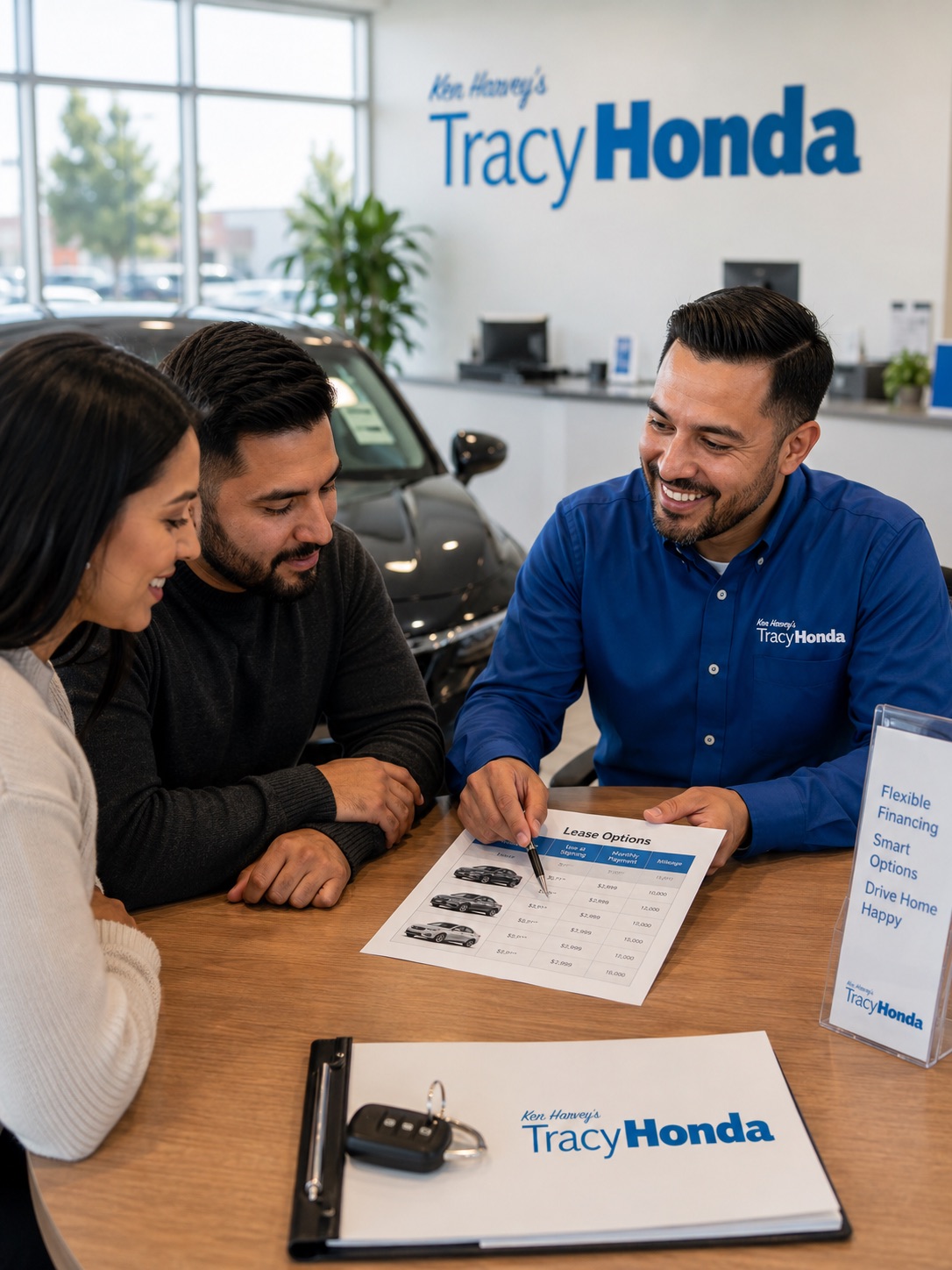
Tracy Honda team member explaining vehicle financing and trade-in options to two customers

Know Your Payoff Amount and Trade-In Value

Start with two figures:

  1. Your lender’s current payoff amount
  2. Your vehicle’s appraised trade-in value

Appraised trade-in value − current loan payoff = vehicle equity

Do not rely only on your latest statement balance. A payoff quote shows what is required to satisfy the loan by a specific date and may include accrued interest or other permitted amounts. Because it can change, request a current quote from your lender.

The second number is the appraised trade-in value. An online estimate is a useful starting point, but the final figure may depend on a vehicle review and current market conditions.

You can learn more about how trade-in value is determined before comparing the appraisal with your payoff quote.

Trade-In Equity Calculator

Enter nonnegative dollar amounts. This estimate is not an appraisal, offer, credit decision, or payment calculation.

Use a current payoff quote, not only a statement balance.
An online estimate may differ from a final appraisal.
Ready to compare your two numbers

Estimated equity equals trade-in value minus the current payoff amount.

Results are educational estimates only. Confirm the payoff with your lender and the vehicle value through an appraisal.

Do You Have Positive or Negative Equity?

Your equity position determines what happens next.

Positive equity

$22,000 value − $17,000 payoff = $5,000

When the appraised value exceeds the payoff, the difference is positive equity. It may be applied to the next transaction, subject to the final deal structure.

Positive equity can reduce the amount financed, but it does not guarantee approval or a particular payment. Price, down payment, taxes and fees, APR, and term also affect the result.

Break-even equity

$19,000 value − $19,000 payoff = $0

If the trade-in value and payoff are similar, the trade may satisfy the balance without leaving significant equity.

A near break-even result can change as interest accrues or the appraisal changes. Review the transaction with current figures.

Negative equity

$17,000 value − $21,000 payoff = −$4,000

Negative equity means the payoff exceeds the trade-in value. It is also called being upside down or underwater on a car loan.

The shortfall does not disappear. You must use cash, include some or all of it in a new loan if approved, or choose another option.

These examples are hypothetical and do not represent an appraisal, offer, or financing terms from Tracy Honda.

How to Trade In a Car With a Loan

Trading a financed vehicle generally follows these steps:

  1. Request a current payoff quote

    Ask your lender for the payoff amount, its valid-through date, and instructions for satisfying the loan. Request an update if the quote expires before the transaction is completed.

  2. Estimate the vehicle’s trade-in value

    Use an online resource to establish a starting point. Tracy-area drivers can begin a trade-in estimate online, but the estimate should not be treated as a guaranteed final value.

  3. Obtain an appraisal

    An appraisal establishes the amount assigned to the vehicle in the proposed transaction. Compare that figure with the lender’s current payoff amount.

  4. Identify your equity position

    Subtract the payoff from the appraised value. A positive result means positive equity. A negative result identifies the shortfall.

  5. Compare your available options

    Do not evaluate the trade allowance by itself. Consider the purchase price, payoff treatment, down payment, financing terms, and total cost together.

  6. Review the transaction as a whole

    Confirm that the final documents match the figures and terms you reviewed before signing. The full-cost checklist below can help you examine the financing beyond the monthly payment.

  7. Confirm that the old loan is satisfied

    Continue following your existing lender’s payment instructions until you receive confirmation that the loan has been paid in full. Do not assume the account is closed simply because you signed paperwork for another vehicle.

What Happens to Your Car Loan When You Trade?

The existing loan must be satisfied before the lender releases its lien. Your final transaction documents should identify who sends the payoff, which amount is used, and how any difference is handled.

Before signing, ask:

  • Which party will send the payoff?
  • What payoff amount is being used?
  • How will a difference be handled if the payoff amount changes?
  • When should you expect the lender to receive the funds?
  • What should you do if another payment becomes due before the account closes?

Keep copies of your payoff quote and signed transaction documents. After the expected processing period, check the old loan account and contact the lender if it still shows a balance.

What If You Owe More Than the Car Is Worth?

Negative equity does not automatically prevent a trade. Your options depend on the shortfall, budget, vehicle needs, and available financing.

Use cash to reduce the shortfall

You may be able to cover some or all of the negative equity with cash at signing. Confirm how that money is applied in the final contract. Keep enough savings available for insurance, registration, maintenance, and other ownership costs.

Include the shortfall in a new loan

If a lender approves the structure, some or all of the shortfall may be included in the new auto loan.

Rolling negative equity into the next loan increases the amount financed. That can raise the monthly payment, increase total borrowing costs, or leave you owing more than the replacement vehicle is worth at the start of the loan.

Wait and reduce the balance

If your current vehicle still meets your needs, additional principal payments or time may improve your equity position. Check your loan agreement before making extra payments, then compare a fresh payoff quote with an updated appraisal before deciding.

For Central Valley drivers, the decision may also depend on whether the current vehicle remains reliable and suitable for regular I-205 or I-580 travel. Waiting can help financially, but it may be less practical if the car no longer fits your commute, family, or transportation needs.

Consider selling instead of trading

A separate sale may produce a different value, but an active lien requires payoff and title coordination. Compare the proceeds, time, paperwork, and convenience. Our guide to selling a car for cash covers that option.

The Federal Trade Commission advises consumers to understand exactly how a dealer treats negative equity in a proposed transaction. The Consumer Financial Protection Bureau also recommends checking how the old balance appears in the new financing contract.

Review the full cost of the next loan

A replacement vehicle’s monthly payment tells only part of the story. When comparing proposals, review:

  • Vehicle selling price
  • Trade-in allowance
  • Existing loan payoff
  • Negative-equity amount
  • Cash down payment
  • Total amount financed
  • Annual percentage rate
  • Loan term
  • Finance charge
  • Total of payments

A longer term may reduce the monthly payment while increasing the time you remain in debt and the total interest paid. Focus on the full cost of the loan, not only whether the payment fits within a monthly target.

Financing availability and terms can depend on credit, income, lender requirements, vehicle selection, down payment, and the requested amount. Review them together before deciding.

What to Bring When Trading In a Financed Car

Document requirements vary by lender, ownership record, and transaction, so confirm what applies before visiting. You may be asked for:

  • A valid driver’s license or other accepted identification
  • Current vehicle registration
  • Lender name and loan account information
  • A current payoff quote
  • All keys and remotes
  • Information or documentation for every registered owner
  • The title, if it is in your possession
  • Available maintenance records

A leased vehicle follows different ownership and payoff rules from a financed purchase. Contact the leasing company and confirm the applicable lease terms before treating a lease like a conventional trade-in.

Should You Trade Now, Wait, or Sell?

Use the following questions to narrow the decision:

Swipe horizontally to compare all three options.

Consider trading now when Consider waiting when Consider selling separately when
The current vehicle no longer fits your transportation needs The vehicle remains dependable and affordable You are willing to manage additional payoff and title steps
You have positive equity or a manageable shortfall Negative equity is substantial A credible sale value may materially exceed the trade value
The complete replacement transaction fits your budget More payments could meaningfully improve equity You do not need to coordinate the sale with an immediate purchase
You have reviewed the total financing cost Current financing is more favorable than available replacement terms The extra time and effort make sense for your situation

There is no universal best answer. Compare the payoff, appraisal, borrowing cost, and practical need for another vehicle before deciding.

FAQ: Trading In a Car You Still Owe Money On


Can I trade in a car I still owe money on?

Yes, a financed car can generally be traded. Compare the current payoff amount with the appraised trade-in value to identify your equity position.

Is the payoff amount the same as my statement balance?

Not always. A payoff quote is calculated for a specific date and may include accrued interest or other amounts allowed by the loan agreement. Request the current figure from your lender.

Does the dealership pay off my existing car loan?

Payoff procedures vary. Your transaction documents should identify who sends the funds, which amount is used, and how any difference is handled. Confirm receipt with your lender afterward.

Should I keep making payments after trading the car?

Follow your lender’s instructions until the account is confirmed as paid in full. If a payment comes due while the payoff is processing, contact the lender for direction.

Does trading in a financed car affect my credit?

Applying for a new loan may result in a credit inquiry. Opening a new account and closing the previous loan may also affect credit reports and scores, depending on your credit profile and lender reporting.

Can I trade in a leased vehicle?

A lease is different from a financed purchase. Available options depend on the leasing company, lease agreement, and any current obligations or restrictions. Confirm the terms with the lessor first, then review our lease-return information if you are approaching the end of a Honda lease.

Tracy Honda dealership exterior with Honda vehicles parked in front

Why Shop With Tracy Honda?

When you are deciding whether to trade, sell, or keep your current vehicle, you deserve clear information and a team that respects the full financial picture. We help you compare your payoff, vehicle value, financing choices, and next-vehicle options without losing sight of what works for you.

A welcoming purchase experience

We want you to feel comfortable asking questions and reviewing your options at your own pace. Our team is here to explain the trade-in process, help you understand the numbers, and support a decision that fits your transportation needs.

Clear pre-owned pricing

When you compare replacement vehicles, clear pricing makes it easier to evaluate the complete transaction. We provide transparent pre-owned pricing so you can look beyond the monthly payment and consider the vehicle price, trade value, payoff, and amount financed together.

A broad regional inventory

Our high-volume inventory spans more than seven acres, giving you a wide range of vehicles to compare after you understand your equity position. Our team can help you narrow the selection based on your budget, commute, passenger needs, and ownership priorities.

Family-led support beyond the sale

We have been family owned and operated for more than 15 years as part of the Ken Harvey Auto Group. Our support continues through our comprehensive service center, repair and customization capabilities, and free local towing within 20 miles when applicable.

Keep Researching or Start Shopping at Tracy Honda

Still comparing trade-in value, negative equity, financing, or available vehicles? Use these Tracy Honda links to keep researching or move toward the next vehicle that fits your budget and transportation needs.


Shop, Finance & Connect