



Before You Arrive
Schedule Your Return
Reserve time for the vehicle inspection and lease-end conversation so you are not trying to sort through important details during an unplanned stop.
At Lease End
Return It, Buy It, or Replace It
Your lease gives you defined end-of-term choices. We put the purchase, return, and next-Honda paths next to each other so you can compare the commitment behind each one.
Before You Decide
Compare Value, Payoff, and Equity
An appraisal gives you a current market number to compare with the applicable lease payoff or purchase amount before you decide whether keeping, returning, or trading the Honda makes the most sense.
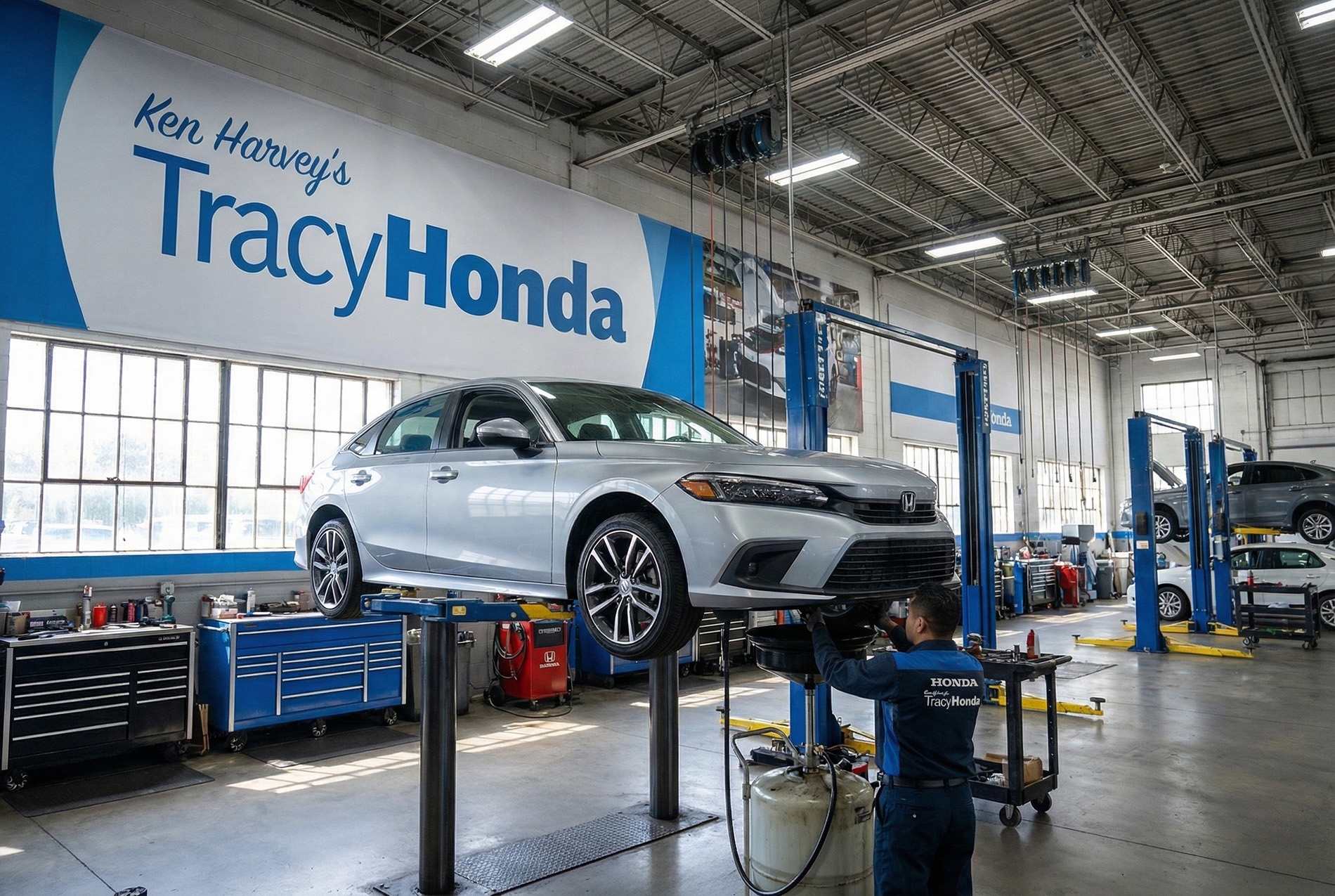
Decide What Happens to the Honda
Return, Keep, Replace, or Compare Your Honda's Trade Position
Honda Financial Services gives you three primary contractual choices at lease end: return the Honda, purchase it, or return it and lease another Honda. A dealership appraisal adds another useful piece of information because it shows what the vehicle is worth in the current market while you are reviewing those choices.
Trade value and lease equity are not separate Honda Financial Services lease-end options. They depend on the vehicle's verified value, the applicable payoff or purchase amount, and the terms that govern your lease. We review those numbers before treating equity as part of a new transaction.
| Direction | What It Changes | Numbers and Details to Review |
|---|---|---|
| Return the Honda | You complete the current lease and give the vehicle back rather than taking on ownership. | Mileage, condition, excess wear, inspection results, turn-in requirements, and any remaining obligations under the lease. |
| Purchase Your Honda | You keep a vehicle whose history, maintenance, comfort, and daily fit you already know. | The purchase option in your agreement, financing terms, current market value, expected ownership period, and future maintenance. |
| Return It and Lease Another Honda | You keep the shorter ownership cycle of leasing while changing the vehicle around the way you drive now. | Current inventory, available lease programs, mileage allowance, term, payment structure, and vehicle choice. |
| Compare Appraisal, Payoff, and Equity | You find out whether the Honda's verified value creates another useful financial angle before completing the return or replacement transaction. | Current appraisal, applicable lease payoff or purchase amount, lender requirements, and any confirmed positive or negative difference. |
Before Your Appointment
Get These Lease-Return Items Together Before You Leave Home
Your lease-end communication controls the final account-specific requirements. Gathering the common items ahead of time keeps a missing key, document, or piece of equipment from becoming one more thing to track down later.
If You Are Replacing It
Use Lease End to Reconsider What Your Next Honda Needs to Do
Your driving routine can change a lot during one lease. The trip along I-205 or I-580 may be a bigger part of the week now. Passenger needs, school schedules, cargo, weekend travel, and fuel costs can shift enough that replacing the current Honda with the closest newer equivalent misses the point.
We start with those changes. Civic and Accord models keep the focus on everyday commuting, with hybrid choices available when fuel use is a bigger priority. HR-V and CR-V add everyday cargo flexibility, while Pilot and Odyssey address greater passenger and family-space needs. Matching the vehicle to the way you use it now gives you benefits you notice throughout the next lease, not just on delivery day.

Frequently Asked Questions
Honda Lease Return FAQs
Find the details that tend to matter most as the return date gets closer, including appointments, inspections, mileage, wear, fees, payoff questions, equity, and what belongs with the Honda at turn-in.
Tracy Honda Lease Return Center
Bring Lease End Into Focus Before the Due Date Arrives
Schedule your lease-return visit at Tracy Honda and bring the Honda along with your available lease information. We will review the vehicle and the dealership-side return process, then work through any appraisal, payoff, purchase, or replacement questions that are still part of your decision.